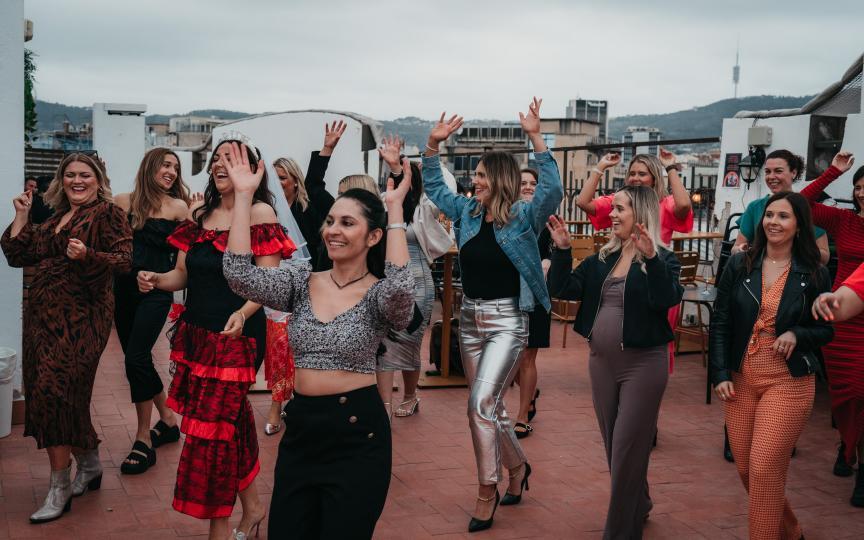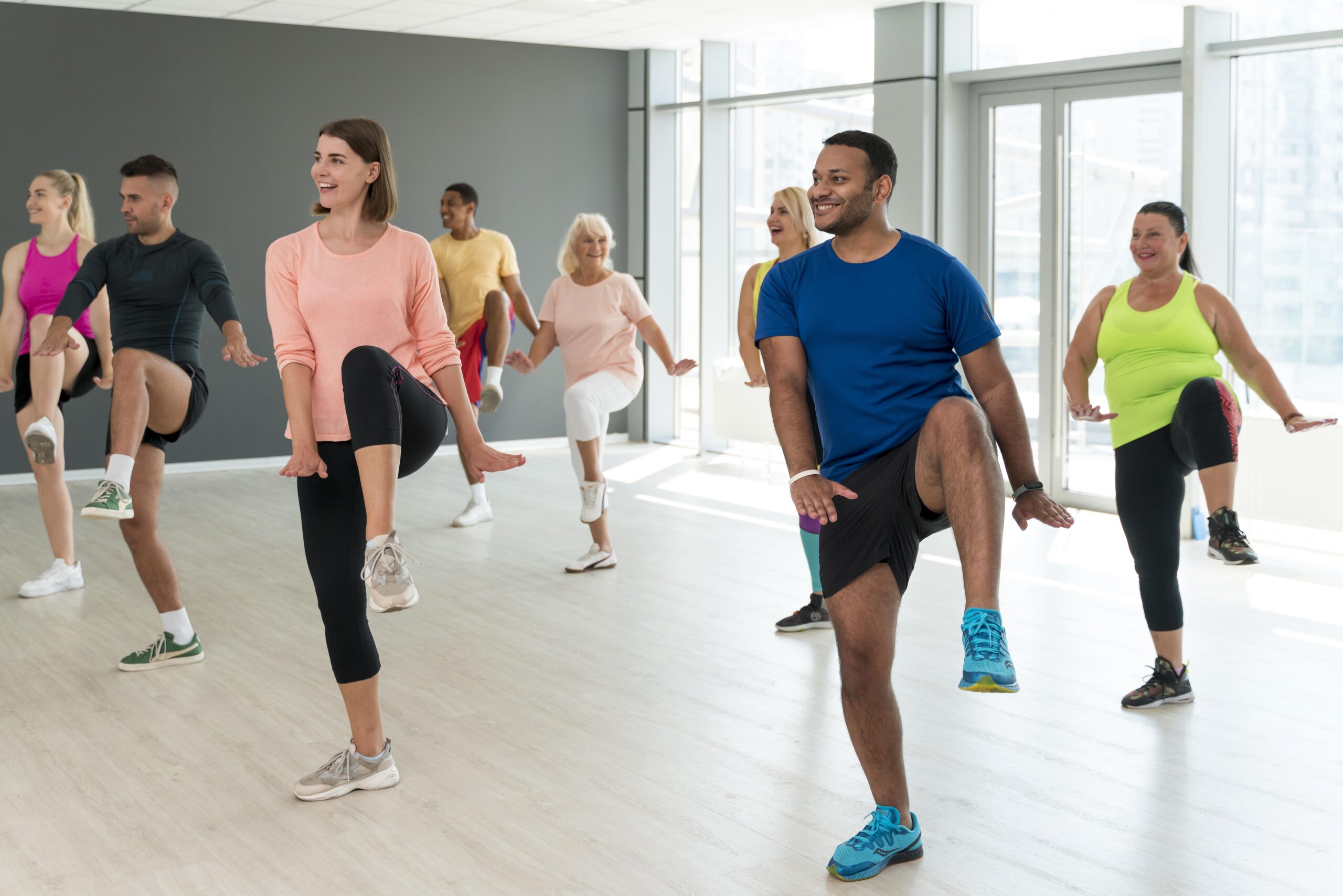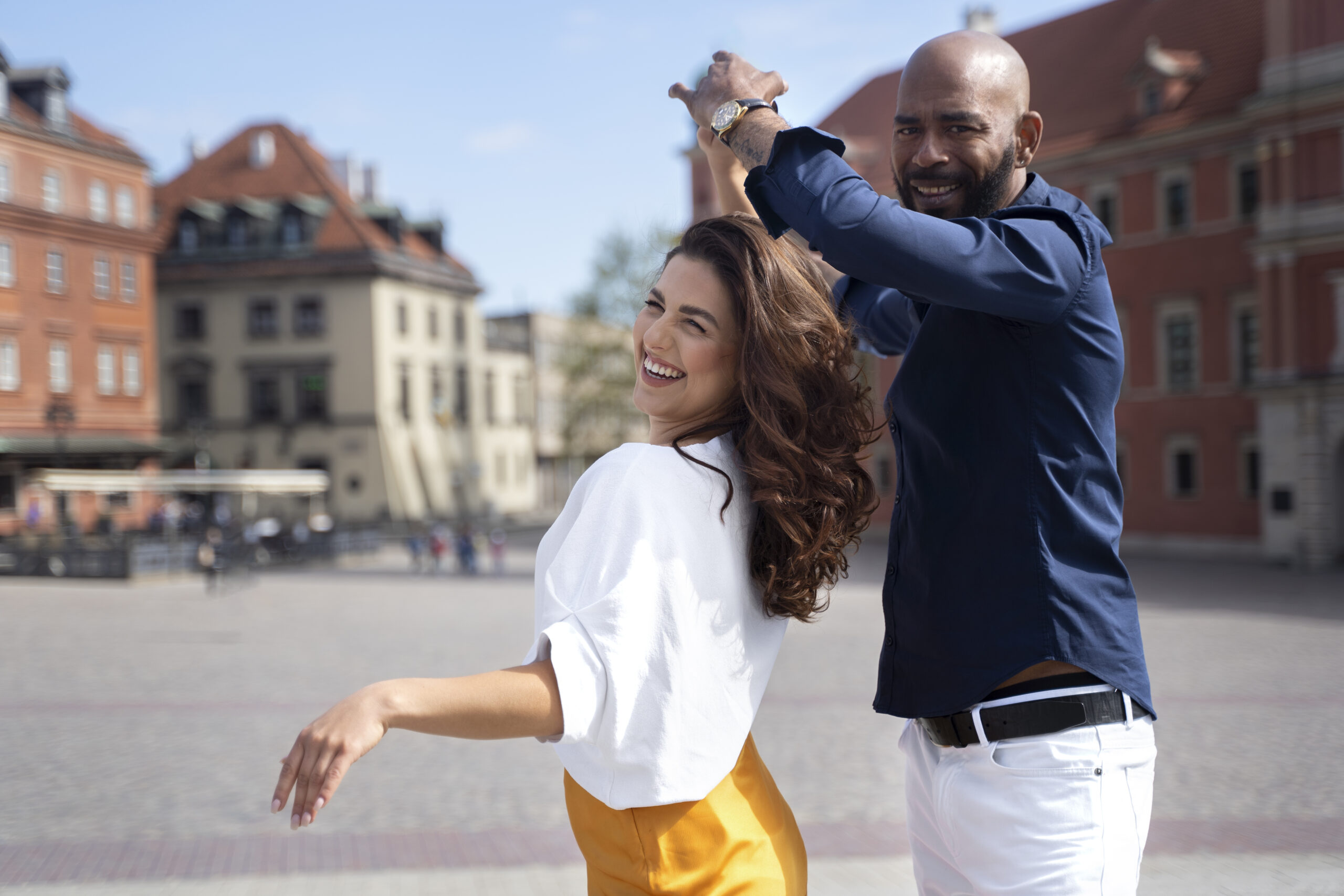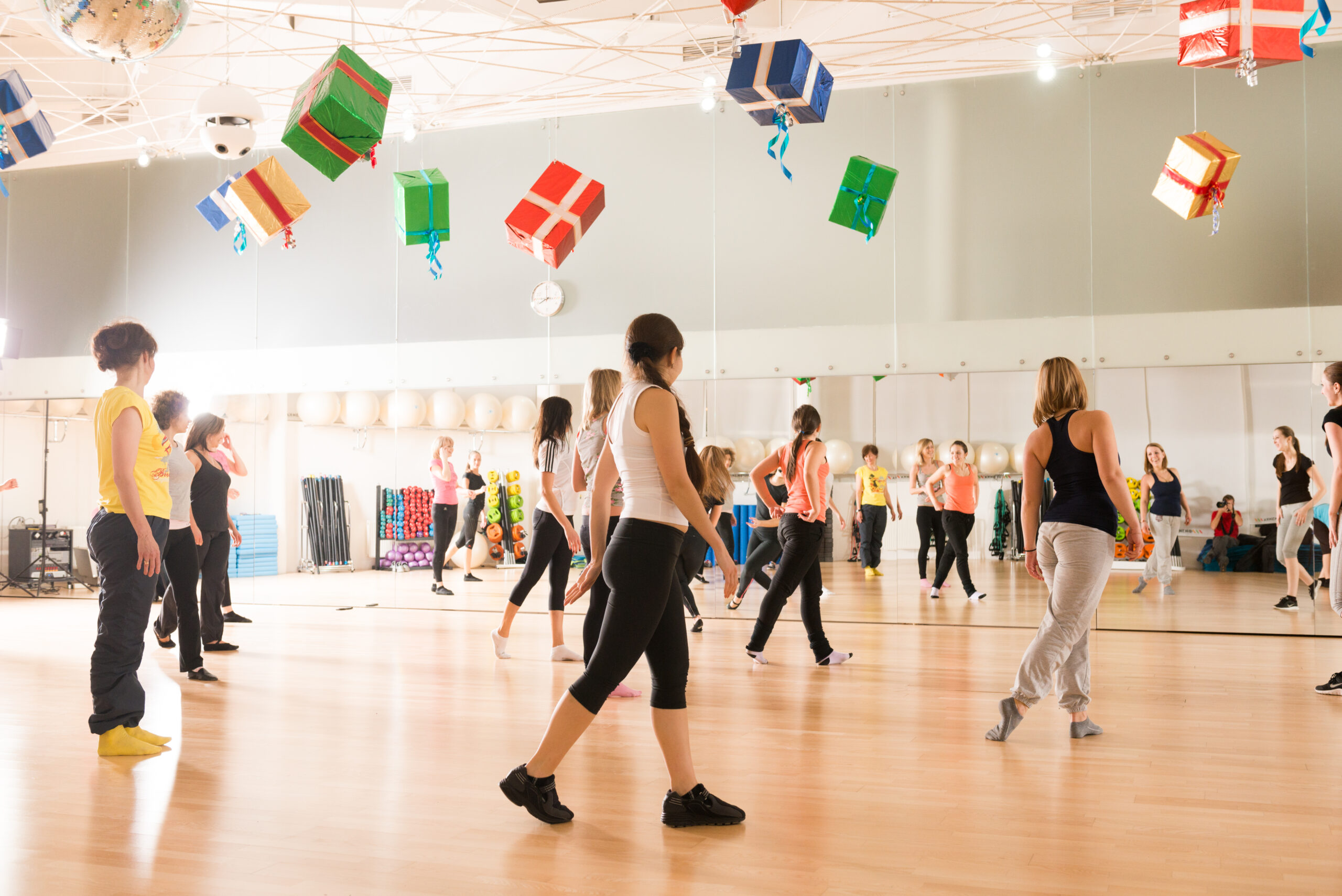
April is a particularly significant month for the world of movement and physical expression. April 29 marks International Dance Day, a date established by UNESCO in 1982 to recognize the universal value of dance as an art form, a cultural expression, and a means of human connection. Beyond its artistic dimension, dance has also become a key tool for physical, mental, and emotional well-being in everyday life.
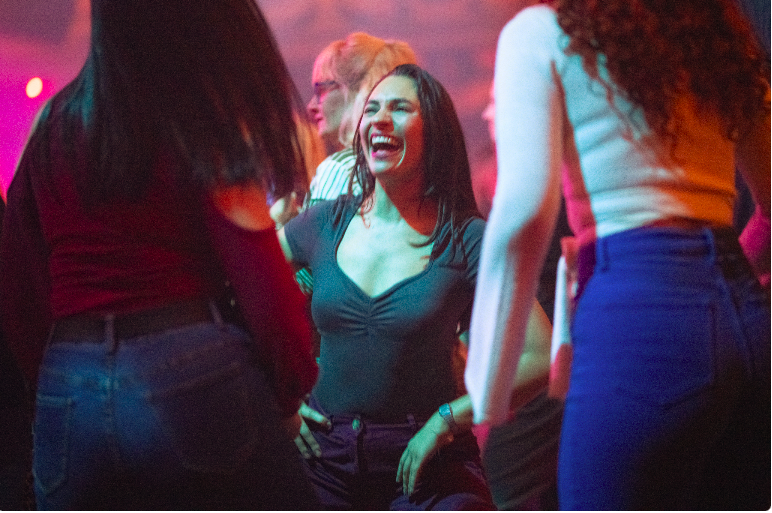
In cities like Barcelona, Castelldefels, Sitges, Vilanova i la Geltrú, and Girona, more and more people are taking up salsa and other dance styles not only for leisure, but as a way to improve their quality of life, unwind from stress, and boost their self-confidence.
Dancing is a complete physical activity. The World Health Organization (WHO) recommends at least 150 minutes of moderate activity per week, and disciplines like dance not only meet these recommendations but also integrate coordination, memory, and emotional connection. Neuroscience has shown that dancing stimulates multiple areas of the brain simultaneously, promoting neuroplasticity—that is, the brain’s ability to adapt, learn, and create new connections.
In addition, rhythmic movement contributes to the release of substances such as endorphins, dopamine, and oxytocin, which are linked to well-being, motivation, and social connection. Studies in the field of movement psychology, as reported by the American Psychological Association (APA), indicate that these types of activities can help reduce stress, improve self-esteem, and foster a more positive body image.
This past April, I also had the opportunity to continue my training as a dancer at the International Caleña Salsa Congress in Madrid, an experience that reinforces an important idea: learning never stops. Even from the perspective of teaching, the process remains constant, with moments of adaptation, practice, and evolution.
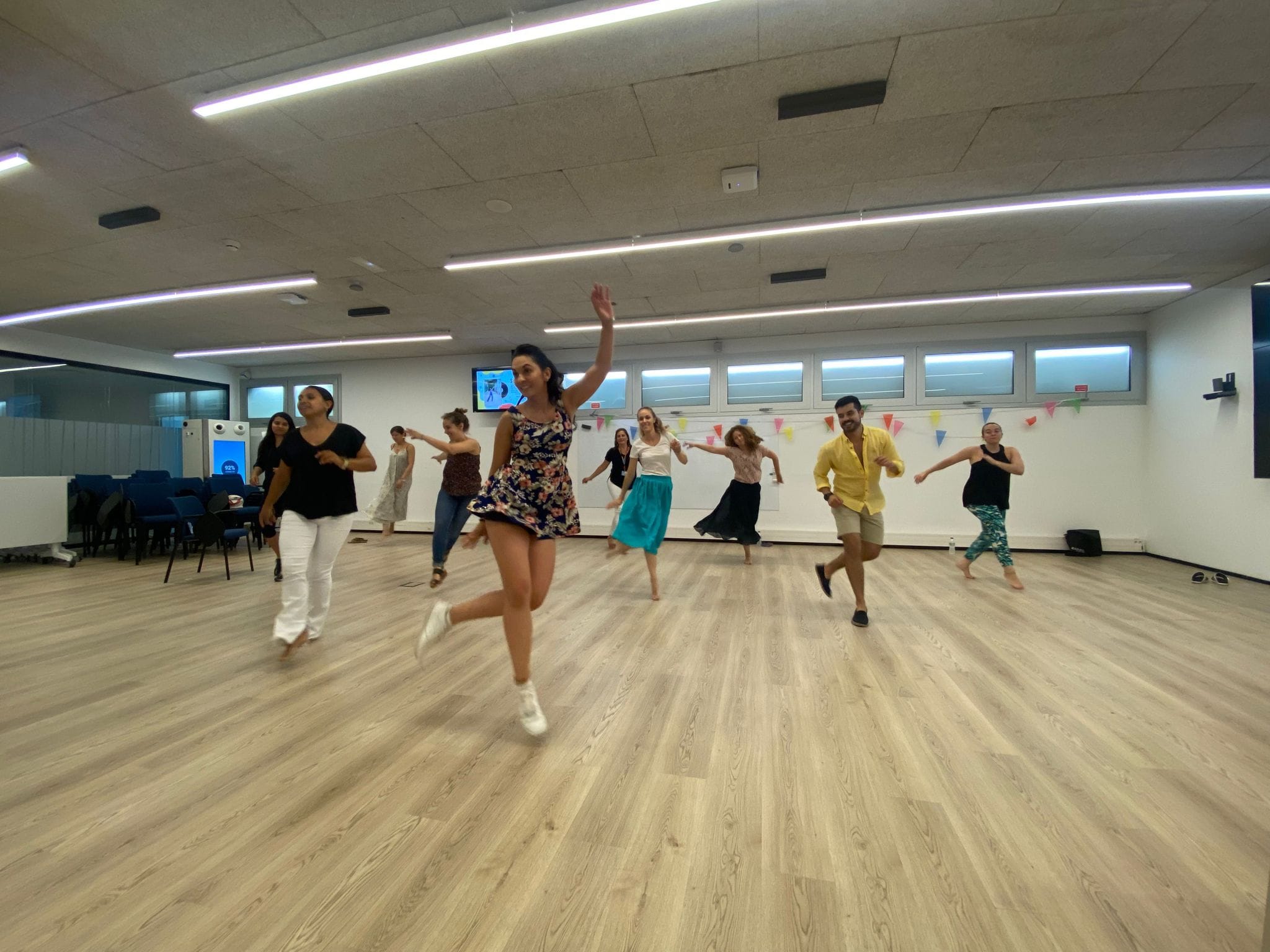
Because dancing isn’t about doing it perfectly from the start, but about allowing yourself to learn. Many people don’t start because they believe they lack rhythm or experience, but the real change happens in the process: by moving, making mistakes, repeating, and, little by little, gaining confidence.
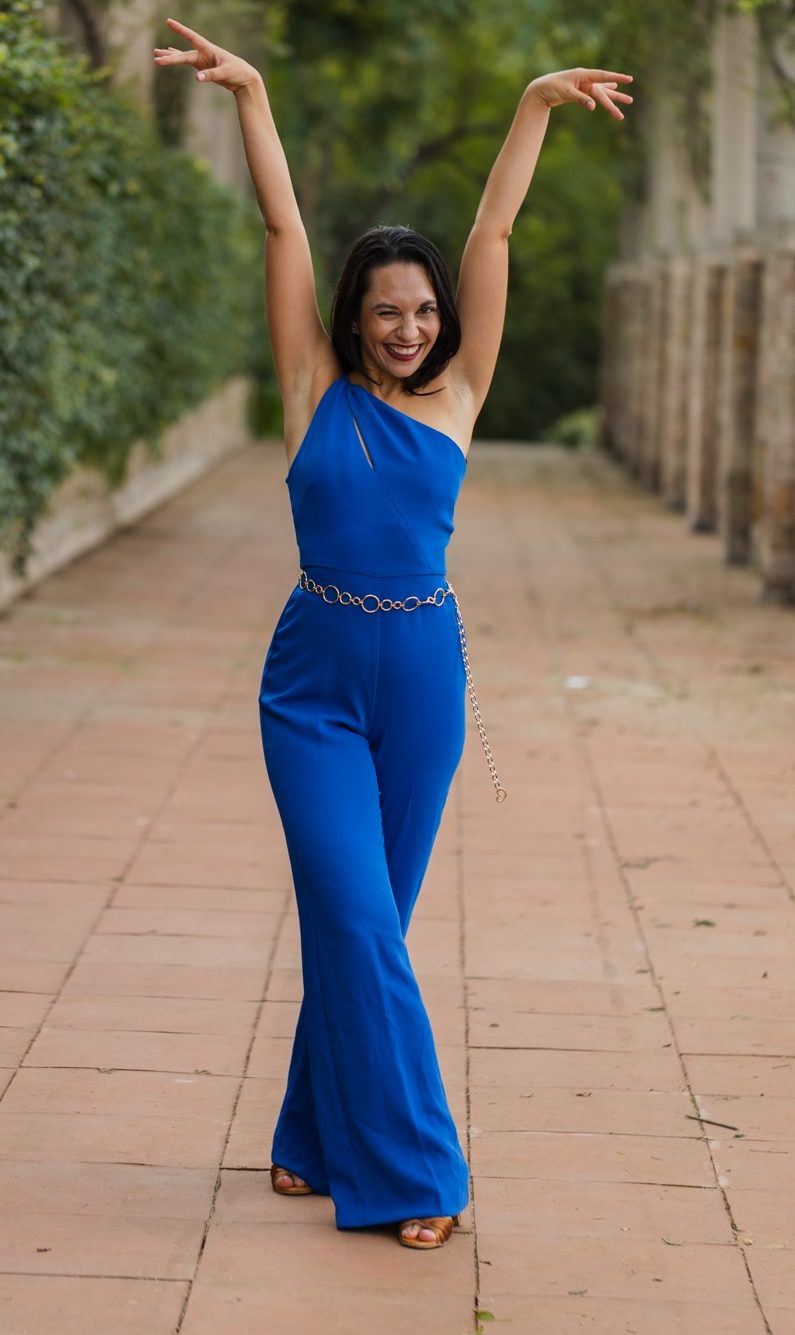
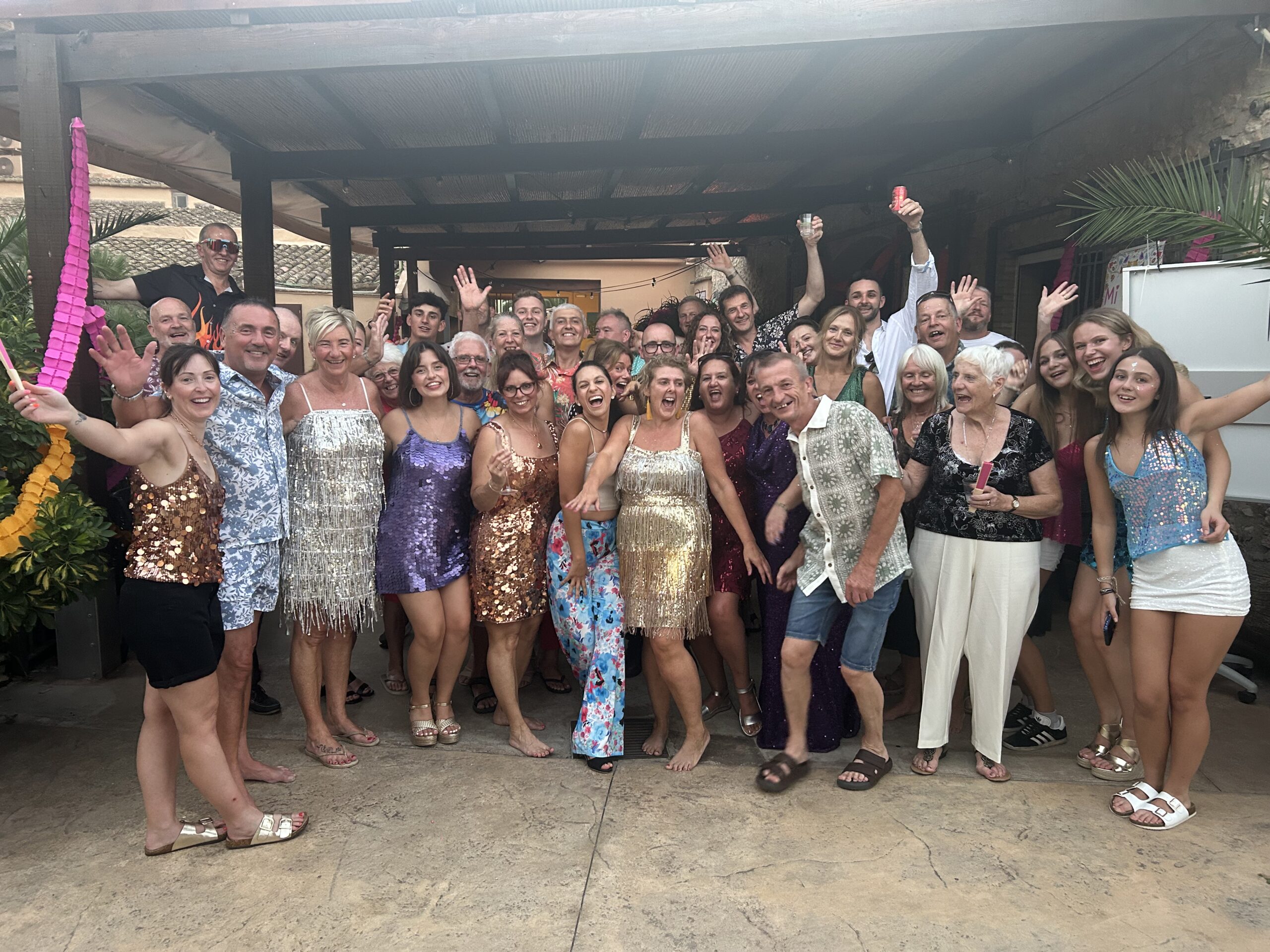
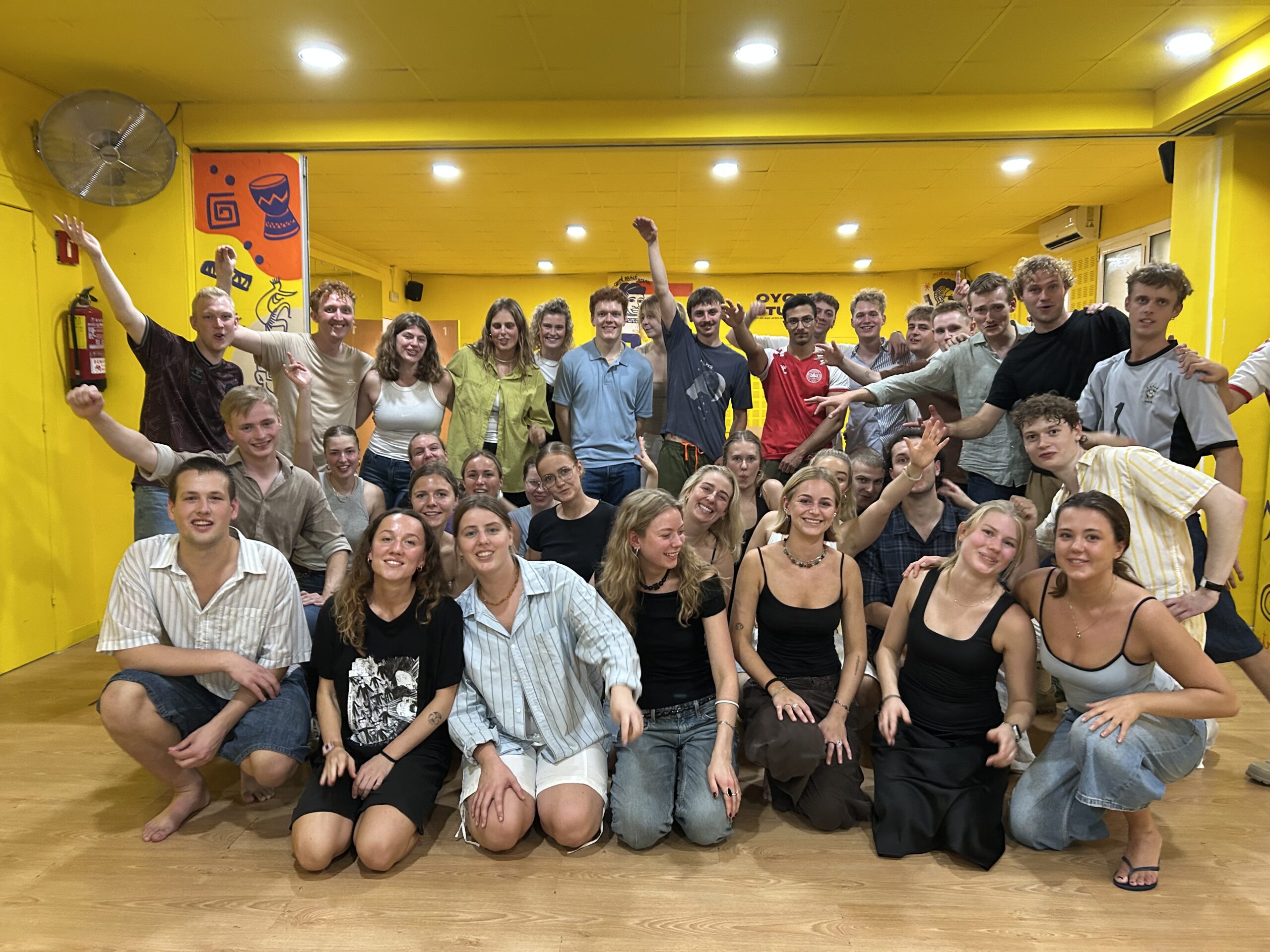
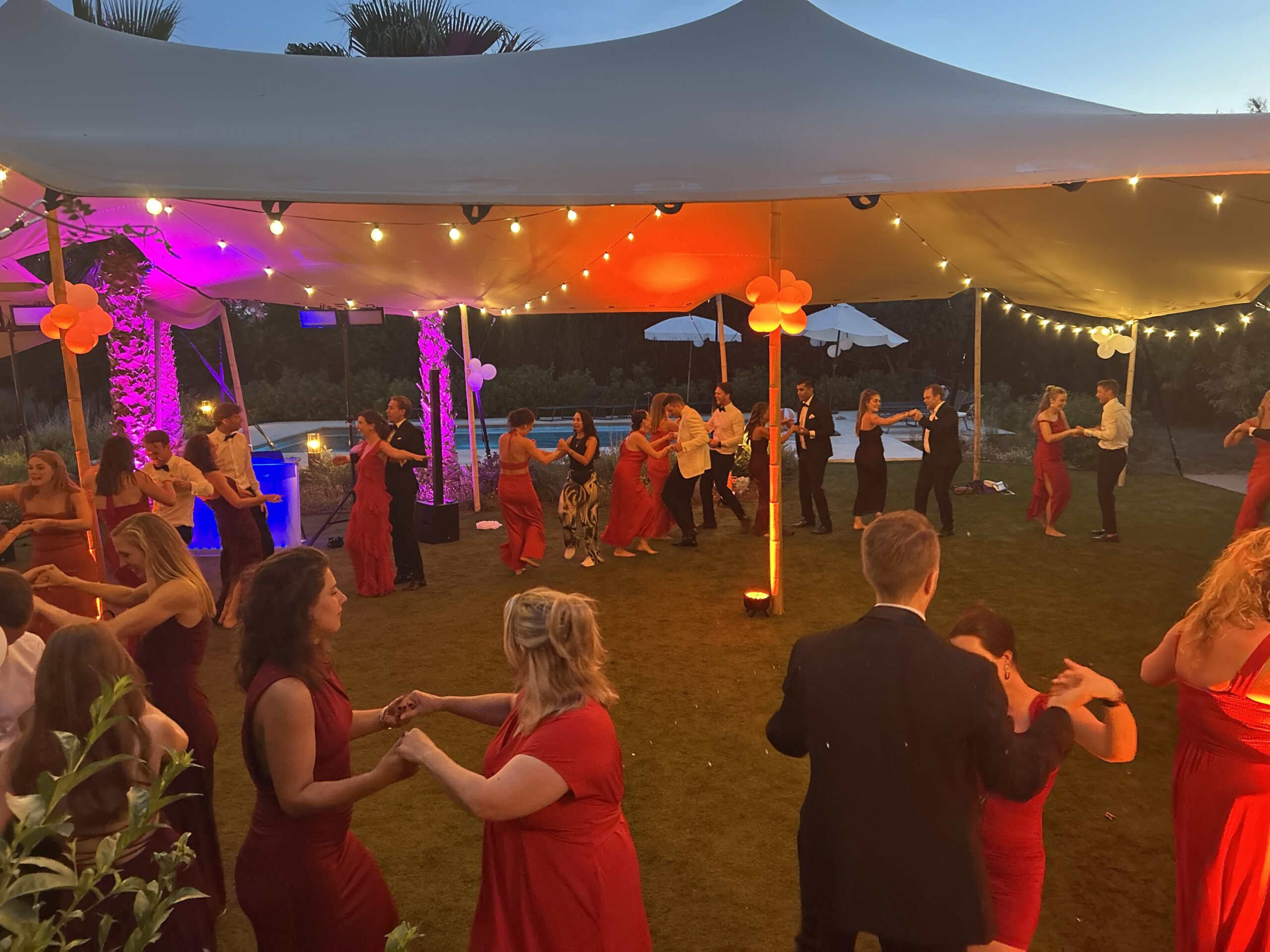
At Salsa Flow in Barcelona, we approach dance from this accessible and progressive perspective. We see it not just as a technique, but as an experience that helps build confidence, well-being, and connection with others.
International Dance Day is an invitation to get started.
If you’ve been thinking about learning salsa in Barcelona or nearby areas like Castelldefels, Sitges, Vilanova, or Girona, now might be the time.
💛 Feel free to reach out to me for more information about classes and to take the first step.