March is a meaningful month around the world. On March 8th, International Women’s Day, millions of people reflect on women’s achievements, equality, and empowerment. The date was officially recognized by the United Nations in 1975 during the International Women’s Year, although its origins go back to the early 20th century, when women around the world began organizing and advocating for better working conditions, voting rights, and social equality.
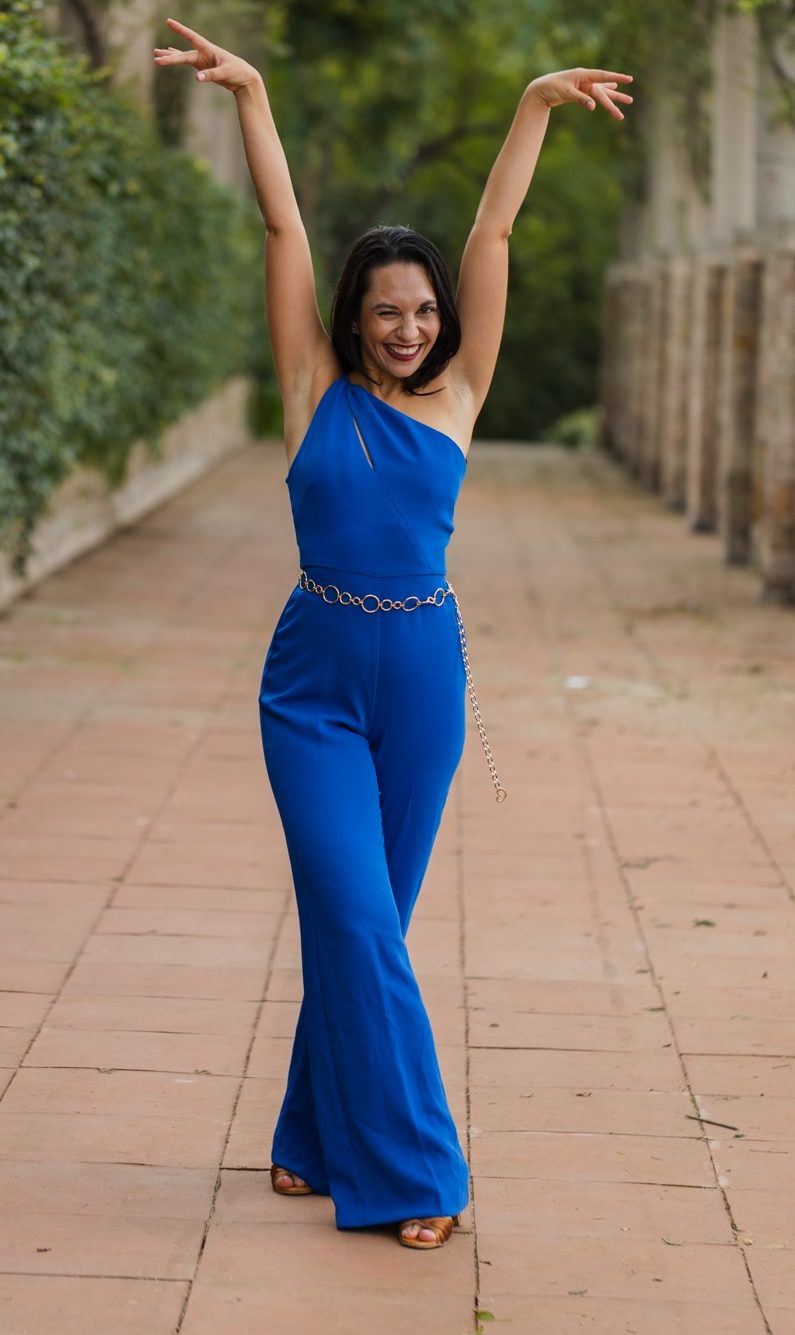
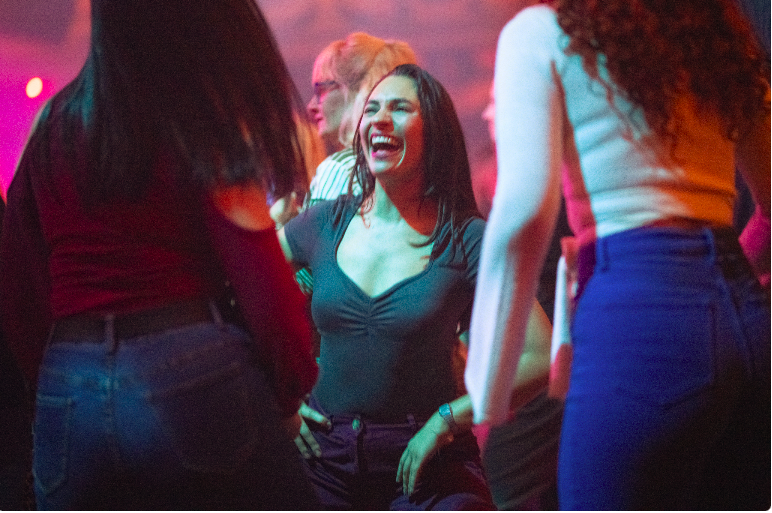
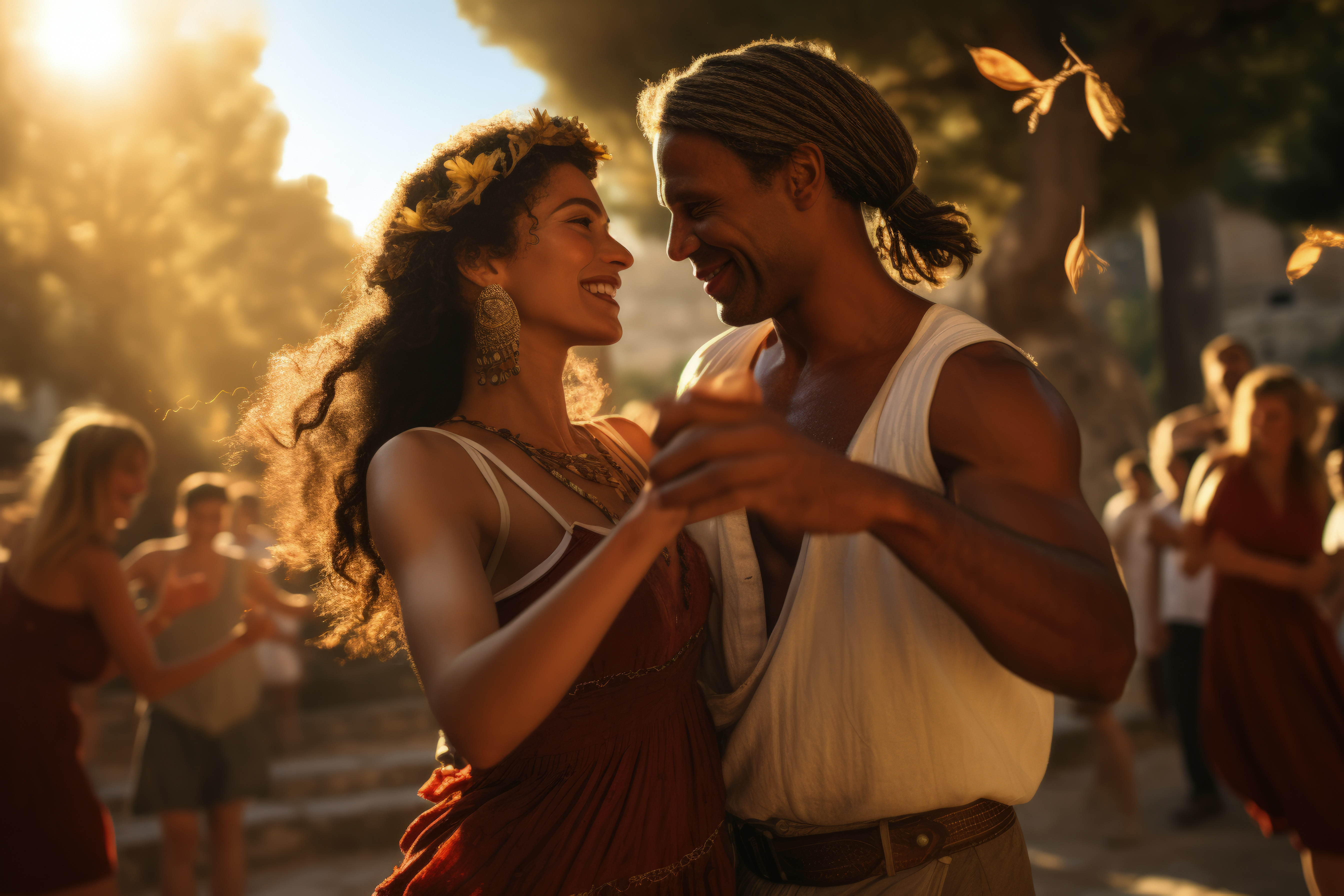
Today, conversations about women’s empowerment often focus on leadership, opportunity, and representation. However, there is another essential dimension that is sometimes overlooked: our relationship with our own bodies. Movement, physical expression, and dance can become powerful tools for strengthening self-confidence and reconnecting with personal well-being.
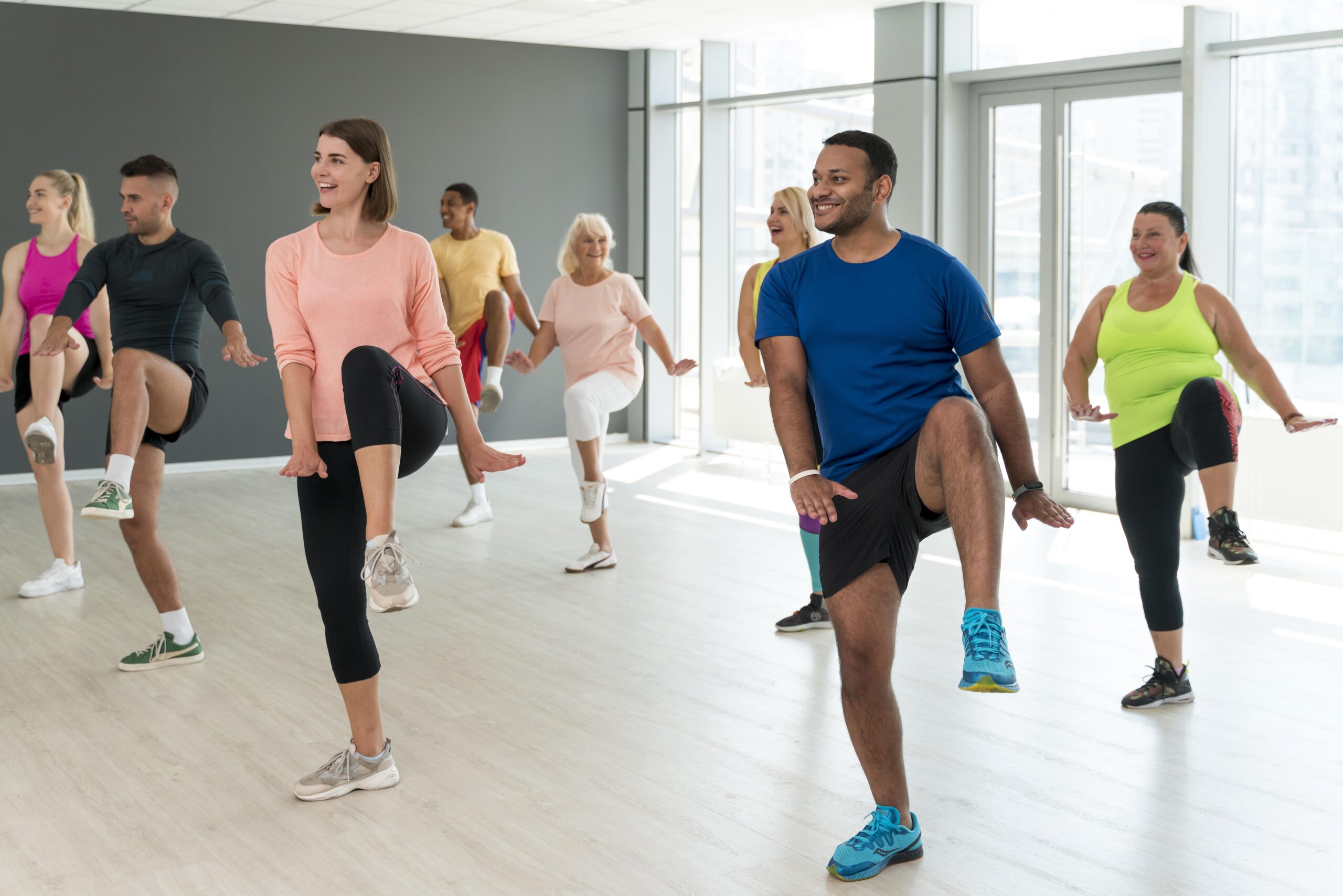
Dance is not only an artistic or social activity. It is also a powerful form of physical exercise with proven health benefits. According to the World Health Organization (WHO), adults should engage in at least 150 minutes of moderate physical activity per week to improve cardiovascular health, strengthen muscles, and reduce the risk of chronic diseases. Activities such as dancing can easily meet these recommendations while also providing emotional and social benefits that traditional exercise sometimes lacks.
Beyond physical health, dance also supports mental and emotional well-being. Research highlighted by the American Psychological Association (APA) shows that regular physical activity can improve mood, reduce stress, and increase self-esteem. When people learn to move with music, coordinate their bodies, and express emotions through movement, they often develop a stronger sense of confidence and presence.
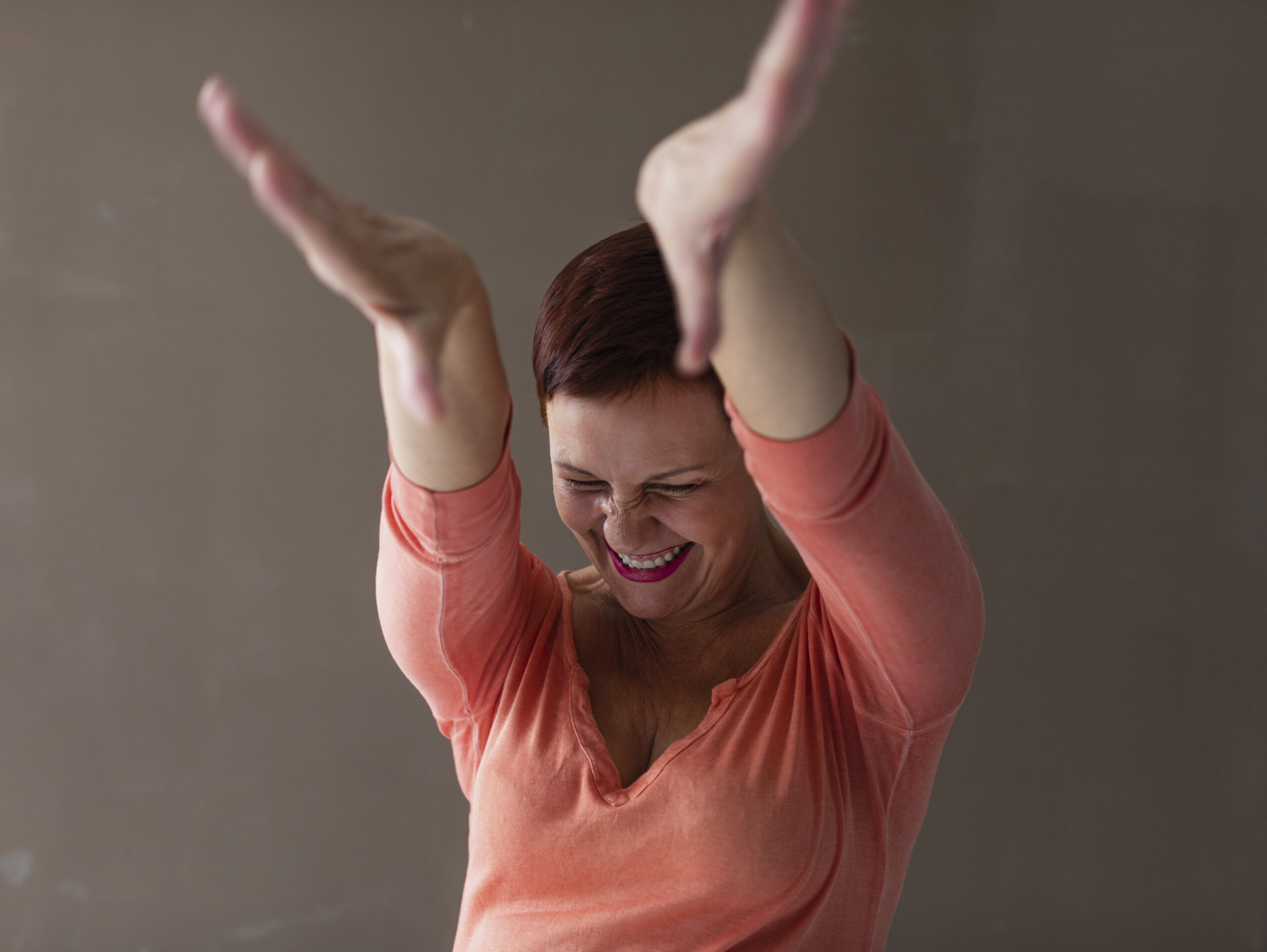
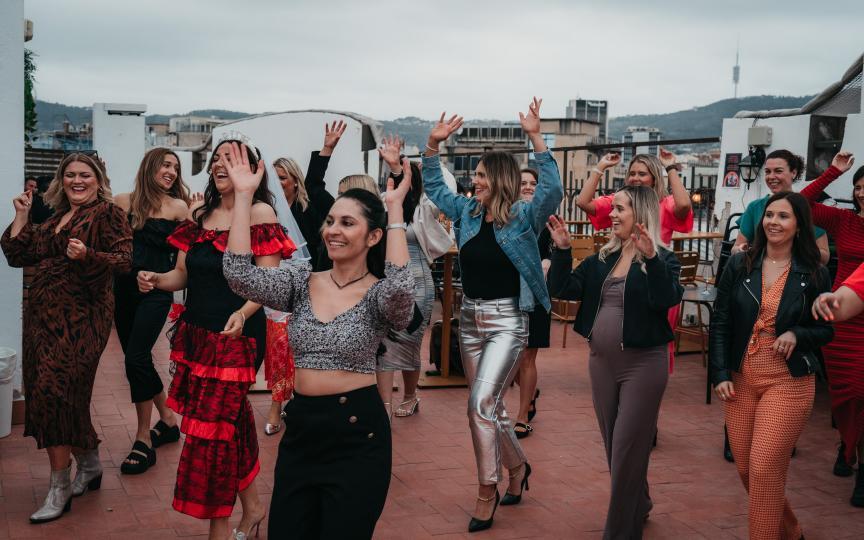
For many women, starting to dance can also mean facing personal insecurities: fear of making mistakes, feeling observed, or believing they lack natural rhythm. However, learning in a supportive environment helps transform those fears into growth. Every small improvement becomes a reminder that progress is possible. Step by step, confidence begins to grow.
Dance also stimulates the release of endorphins, the hormones associated with happiness and well-being. This is one reason why many people feel more energized and emotionally balanced after moving their bodies. In a month that also celebrates the International Day of Happiness on March 20, it is worth remembering that well-being is not only a mental state—it is also deeply connected to the way we move and experience our bodies.
Empowerment does not always happen through big speeches or public recognition. Sometimes it begins in simple spaces: in a class, during practice, or on a dance floor where someone decides to try, make mistakes, learn, and continue growing.
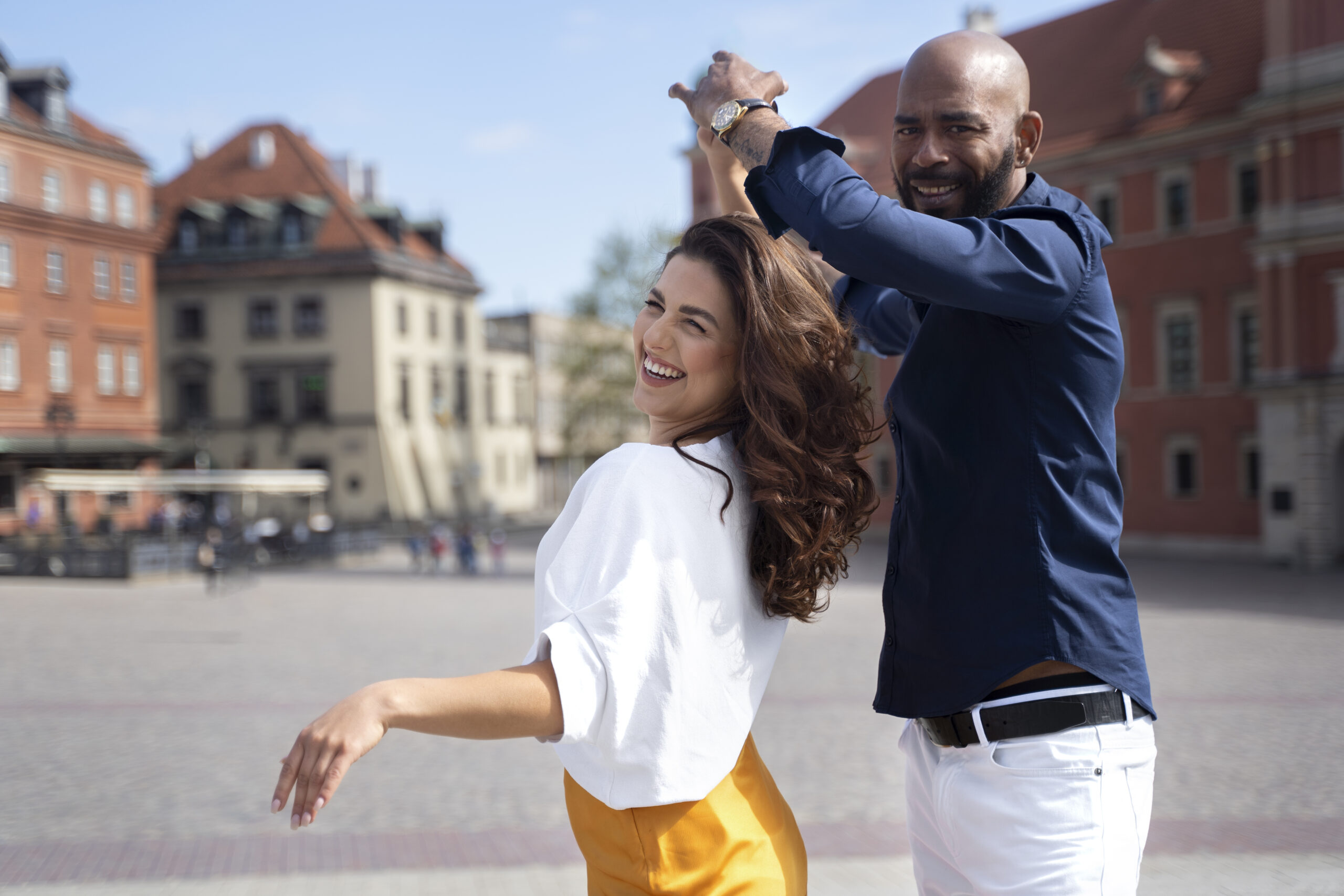
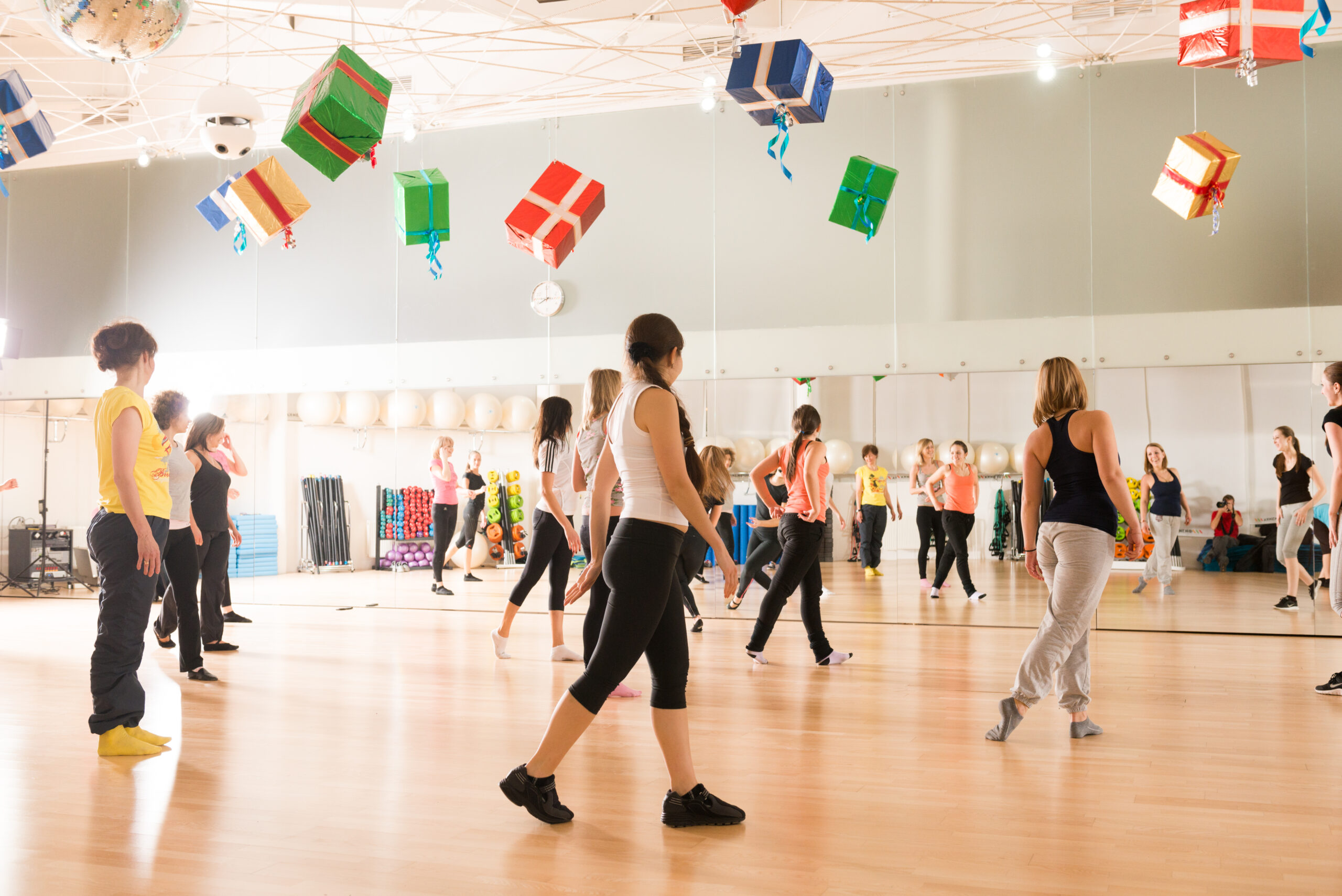
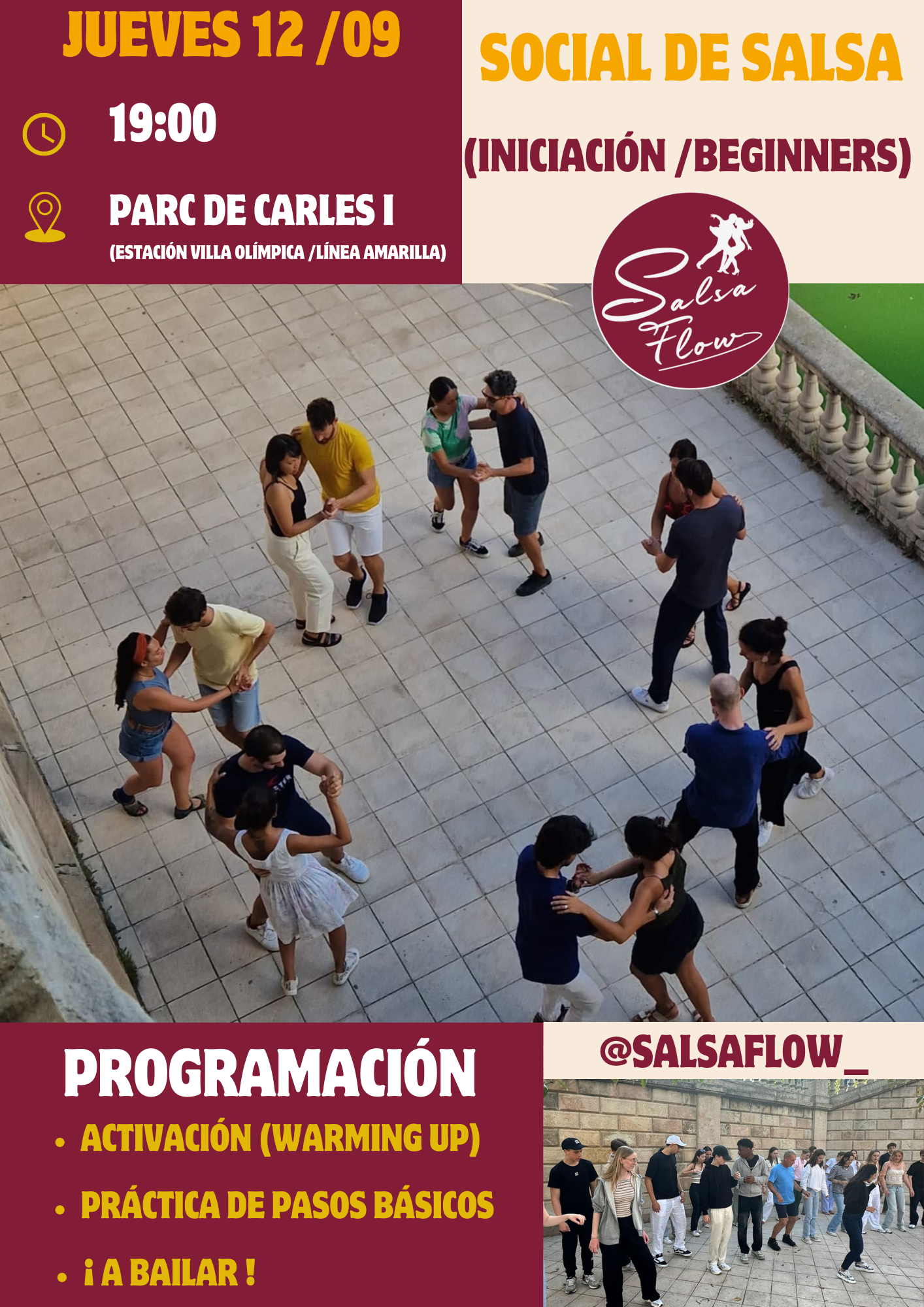
At Salsa Flow, we believe movement can be a powerful tool for personal transformation. That is why we offer salsa dance classes for beginners, basic and intermediate levels, designed so each person can learn at their own pace while discovering their unique style and confidence through dance.
Because dancing doesn’t just strengthen the body.
It also strengthens the way we believe in ourselves.